
In today’s fast-paced world, processed foods have become a staple in many diets. They offer convenience and are often marketed as quick solutions for busy lifestyles. However, beneath the appealing surface lies a dark side that can significantly impact our health and well-being.
Processed foods include anything that has been altered from its natural state, usually through methods such as canning, freezing, or adding preservatives. While some processing can be beneficial, such as freezing fruits and vegetables to retain nutrients, many processed foods are laden with unhealthy ingredients. These can include high levels of sugar, salt, unhealthy fats, and artificial additives that can lead to a range of health issues.
One of the major concerns with processed foods is their contribution to obesity and related health problems. Studies have shown that diets high in processed foods are associated with increased caloric intake and a higher risk of obesity. This is often due to the fact that processed foods tend to be less filling than whole foods, leading individuals to consume larger quantities.
Additionally, the excessive use of sugar and unhealthy fats in processed foods can lead to metabolic syndrome, heart disease, and type 2 diabetes. High sugar intake, in particular, has been linked to a host of health complications, including inflammation and insulin resistance.
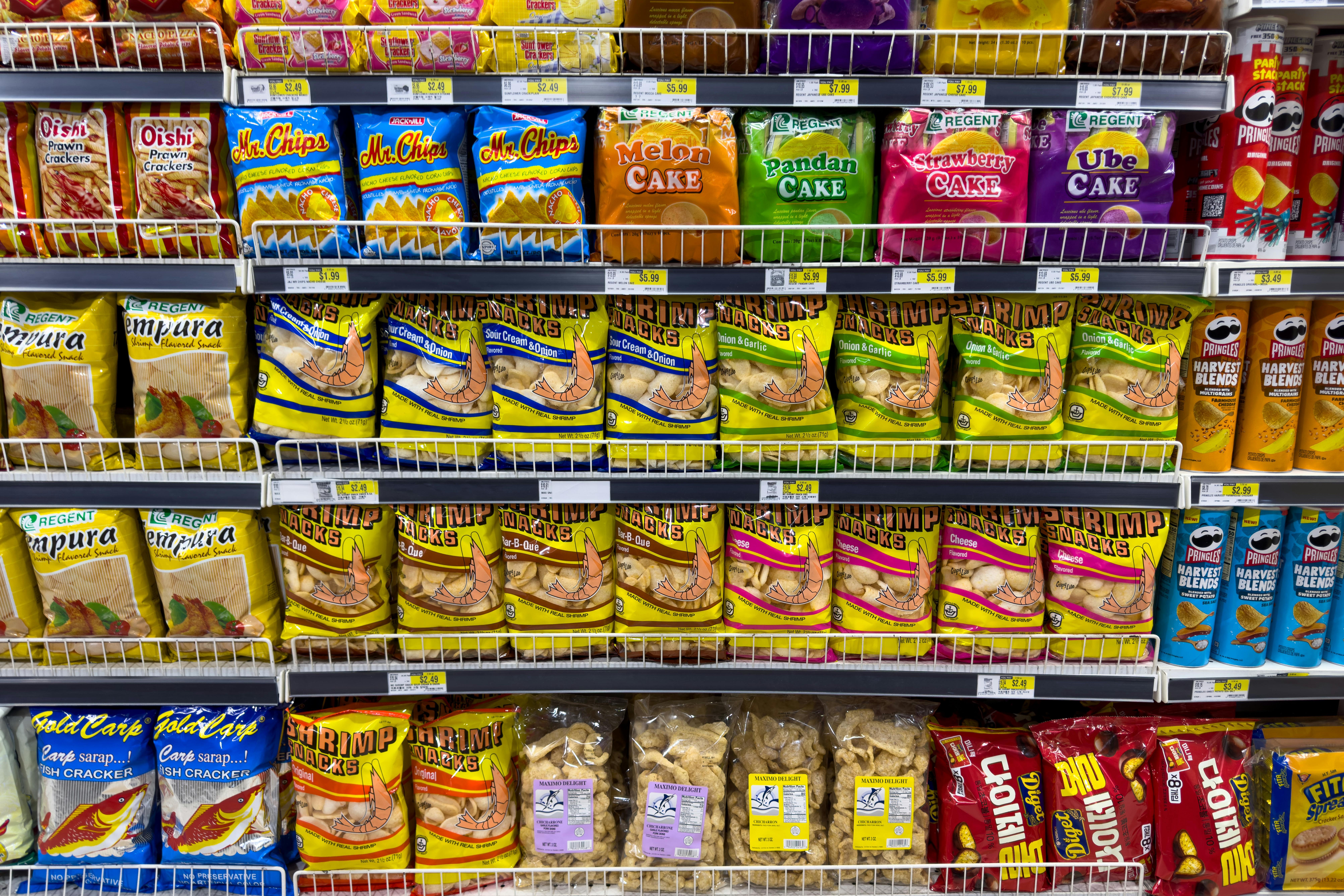
Furthermore, many processed foods contain artificial additives and preservatives that may have adverse effects on health. Some studies suggest that these chemicals can disrupt hormone levels, contribute to behavioral issues, and even increase the risk of certain cancers. The long-term effects of consuming these substances are still being researched, but the potential risks are concerning.
Another significant issue with processed foods is their impact on mental health. Research has indicated that diets high in processed foods can be linked to an increased risk of depression and anxiety. Nutrient deficiencies caused by a lack of whole foods can affect brain function and mood regulation, leading to negative mental health outcomes.
In conclusion, while processed foods may offer convenience, the risks associated with their consumption are substantial. It’s vital to be aware of what we are putting into our bodies and to strive for a balanced diet rich in whole, unprocessed foods. Making informed choices can help mitigate health risks and promote overall well-being. As consumers, we have the power to demand healthier options and prioritize our health over convenience.



This is such an eye-opening post! I had no idea processed foods could be so harmful.
Great article! It’s time we start paying attention to what we eat and choose whole foods over processed ones.
I love the way you explained the risks. I’m definitely going to rethink my grocery shopping habits!
Thank you for sharing this important information. Education is key to making better food choices.